Understanding Dementia: Caregiving and Preventing Burnout

Introduction

Dementia is a challenging and complex medical condition that affects millions of people worldwide. It is a progressive and degenerative disorder that primarily affects older individuals, leading to a decline in cognitive abilities and the ability to perform daily activities. Dementia can be a heart-wrenching experience for both the individual diagnosed and their caregivers. In this article, we will explore what dementia is, provide advice for caregivers on how to care for their elderly loved ones with dementia, and offer tips on preventing caregiver burnout.

What is Dementia?

Dementia is an umbrella term for a range of cognitive impairments that interfere with a person’s daily life. Alzheimer’s disease is the most common form of dementia, accounting for around 60-70% of all cases, but there are several other types, including vascular dementia, Lewy body dementia, and frontotemporal dementia.

Dementia is characterized by symptoms such as memory loss, confusion, disorientation, and difficulties with problem-solving and language. As the condition progresses, it can lead to personality changes, mood swings, and behavioral issues. These changes can be challenging for both the person with dementia and their caregivers.

Caring for a Loved One with Dementia

1. Educate Yourself: Understanding dementia is the first step in providing quality care. There are many reputable resources available to help you gain insight into the condition. The Alzheimer’s Association, for instance, offers valuable information and support for caregivers. Alzheimer’s Association

2. Seek Professional Help: It’s crucial to consult with healthcare professionals to develop a care plan tailored to your loved one’s specific needs. They can provide guidance on medication, therapy, and strategies for managing symptoms.

3. Create a Safe Environment: Dementia can lead to impaired judgment and safety concerns. Ensure the home environment is secure by removing tripping hazards, locking away harmful substances, and installing handrails or grab bars.

Continue reading Understanding Dementia: Caregiving and Preventing Burnout

Helping Loved Ones Who Have Cancer

Some people think that just because they are not a scientist or doctor, they are unable to meaningfully assist people who have cancer. This is simply not true, though, as there are many ways to help someone experiencing a chronic health condition that do not require a medical or scientific background. Here are some specific ways to help loved ones who have cancer.

Offer To Cook for Them

Three common side effects of chemotherapy include tiredness, nausea, and loss of appetite. All three of these symptoms can lead to someone not being able to cook or even feeling like eating. Ask your friend or loved one if they would like you to cook for them, either by bringing a home-cooked meal over to their house or by cooking a meal in their own kitchen. Of course, always ask before using their home and kitchen supplies. Chances are, someone feeling tired and stressed will appreciate the gesture, and at the very least appreciate the company. A good option is to cook a healthy meal that you know they will enjoy, perhaps a twist on a favorite childhood meal.

Continue reading Helping Loved Ones Who Have Cancer

Memory Walk London

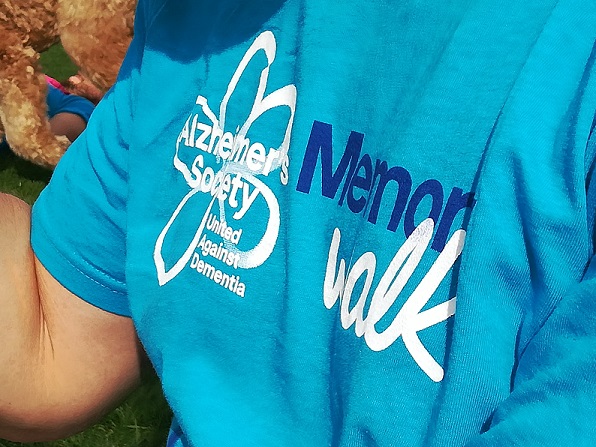
Some of us participated at the London Memory Walk last month. Over 4000 walkers, lots of fun and plenty of sunshine…

Here are some pictures from the event:

Memory Walk London October 2018 - 1
Memory Walk London October 2018 – 1
Memory Walk London October 2018 - 2
Memory Walk London October 2018 – 2
Memory Walk London October 2018 - 3
Memory Walk London October 2018 – 3
Memory Walk London October 2018 - 4
Memory Walk London October 2018 – 4

Memory Walk are family friendly sponsored walks which bring thousands of people together across the country walking to make sure no one faces dementia alone. The events help raise money to fund vital research.
So for the next memory walk, why not join the thousands of people united against dementia.

Did You Know?

Memo24 pill reminder service is an automated phone call reminder service, it is used around the world to help the elderly live a more independent life at home.

Memo24 is simple to set up and affordable, with no subscription and no hidden fees.

Learn more

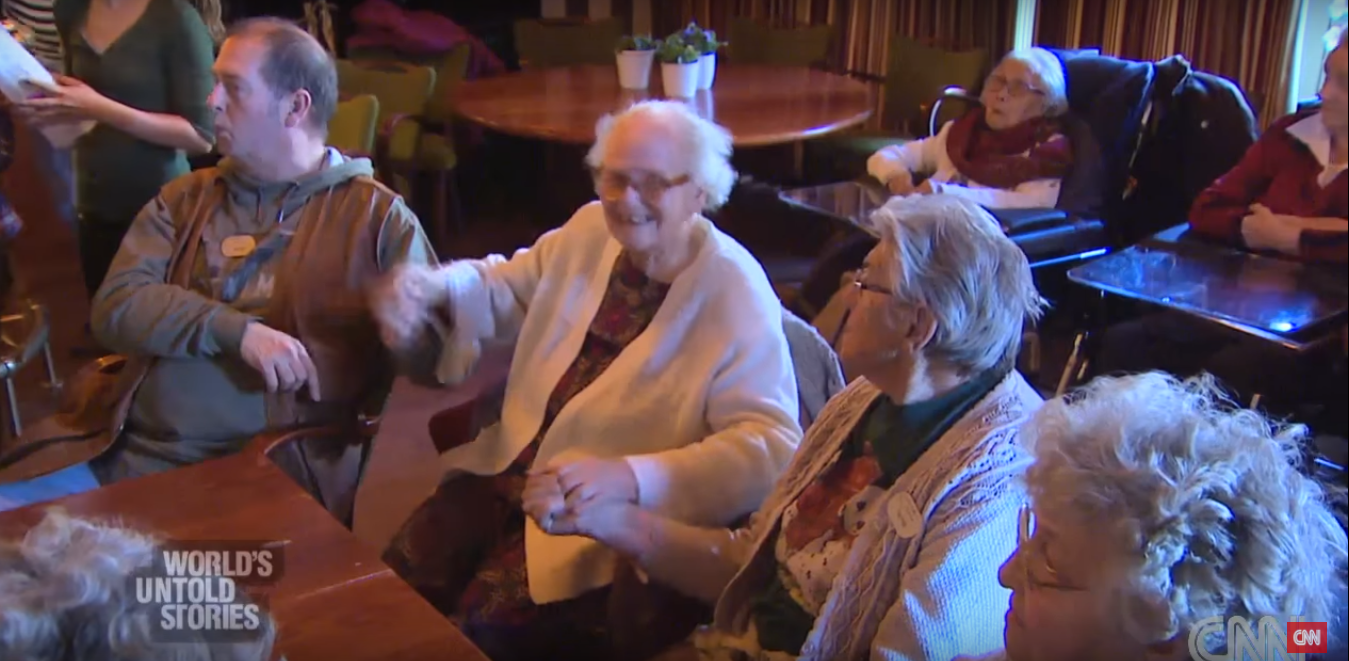
First “Dementia village” to open in Ireland this year

Just came across this article on buzz.ie about the opening of the first “Dementia village” in Ireland. The concept comes from a village in the Netherlands, and we have written about this in an earlier post. You can read more about it here.

* Image from CNN documentary on the ”dementia village” in the Netherlands.

Screenshot-2017-12-24-13.52.18

Did You Know?

Memo24 pill reminder service is an automated phone call reminder service, it is used around the world to help the elderly live a more independent life at home.

Memo24 is simple to set up and affordable, with no subscription and no hidden fees.

Learn more

Dancing can reverse the signs of aging in the brain

As we grow older we suffer a decline in mental and physical fitness. A new study, published in the journal Frontiers in Human Neuroscience, shows that older people who routinely partake in physical exercise can reverse the signs of ageing in the brain, and dancing has the most profound effect. This article in “Science Daily” has more details on this study.

playful-couple-dancing-outdoors_23-2147562102

Credit: Created by Freepik

Did You Know?

Memo24 pill reminder service is an automated phone call reminder service, it is used around the world to help the elderly live a more independent life at home.

Memo24 is simple to set up and affordable, with no subscription and no hidden fees.

Learn more